
Virtual SLP Collaboration: What It Looks Like for SLPAs
Mar 30, 2025
5 min read
Posted on March 31st, 2025
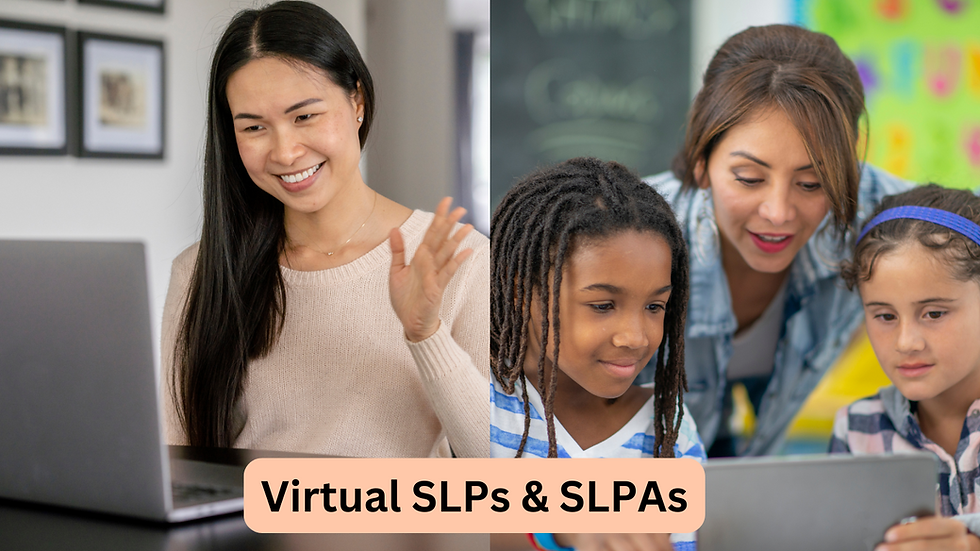
The world of speech therapy is evolving, and virtual speech-language pathologists (SLPs) are becoming increasingly common in schools, private practices, and telehealth services. As a speech-language pathology assistant (SLPA), you may be wondering:
What is it like working with a virtual SLP?
How does this impact my responsibilities as an SLPA?
What are the challenges and benefits of this setup?
Whether you’re already working alongside a virtual SLP or considering a position where this is the norm, this post will break down what the SLPA-virtual SLP collaboration looks like, how it works, and tips for success.
Do you currently work with a virtual SLP?
Yes
No
Not yet, but I will soon!
Do you like working with a virtual SLP?
Yes
No
So-so
I haven't worked with a virtual SLP, but I want to!
As an Amazon Associate, I may earn a small commission on qualifying purchases through the links provided in this post. This comes at no additional cost to you, and it helps support the creation of more helpful content.
What is a Virtual SLP?
A virtual SLP is a licensed speech-language pathologist who provides therapy services remotely using teletherapy platforms like Zoom, Google Meet, or dedicated speech therapy software. Virtual SLPs work with students and clients through video conferencing, digital materials, and online communication tools.
Why Are Virtual SLPs Becoming More Common?
✔ SLP shortages have made teletherapy a practical solution for districts struggling to fill positions.
✔ Remote work flexibility allows SLPs to serve multiple locations without the need for travel.
✔ Improved technology makes it easier to deliver effective speech therapy services online.
✔ School districts and clinics benefit from a wider pool of qualified SLPs, even if they’re not local.
For SLPAs, this shift to virtual supervision does not eliminate the need for in-person support—in fact, it increases the demand for skilled, independent SLPAs who can provide hands-on assistance under the guidance of a remote SLP.
What Does Working with a Virtual SLP Look Like for an SLPA?
If you’re an SLPA working under a virtual SLP, your day-to-day responsibilities may look a little different than in traditional in-person settings. Here’s how the collaboration typically works:
1. Receiving Supervision & Support from a Virtual SLP
SLPAs must always work under the supervision of a licensed SLP, even if the SLP is remote. This supervision is often conducted through:
✔ Live video calls for check-ins, observations, and feedback
✔ Recorded therapy sessions for review and guidance
✔ Email, chat, or shared documents for communication and caseload management
✔ Teletherapy platforms that allow the SLP to observe sessions in real time
2. Delivering In-Person Therapy with Virtual Guidance
In many cases, the SLPA provides direct, in-person therapy while the SLP handles:
✔ Evaluations and assessments
✔ Developing IEP goals and treatment plans
✔ Consulting with parents, teachers, and staff
✔ Monitoring student progress and modifying therapy plans as needed
As an SLPA, you are responsible for implementing the therapy plan, collecting data, and ensuring students are engaged and progressing toward their goals.
3. Supporting Teletherapy Sessions
Sometimes, a virtual SLP may provide therapy via teletherapy while the SLPA:
✔ Sets up the technology and ensures students can access the session
✔ Helps manage student behavior and engagement during virtual sessions
✔ Provides hands-on support for activities that require in-person assistance
✔ Gathers materials and prepares students for therapy
In this model, the SLPA acts as the on-site facilitator, making sure students stay focused, complete activities, and receive necessary support.
4. Assisting with Virtual Assessments
SLPAs also play a key role in supporting virtual assessments conducted by the SLP. This can include:
✔ Flipping through assessment easels during standardized tests
✔ Setting up the technology to ensure the SLP has a clear view of the student’s responses
✔ Managing materials and test items as directed by the SLP
✔ Ensuring a quiet, distraction-free environment for testing
Since many speech and language evaluations require direct interaction, SLPAs provide crucial in-person support to make remote assessments more efficient and accurate.
5. Managing Caseload Tasks & Paperwork
SLPAs working with virtual SLPs often take on additional organizational and administrative tasks, such as:
✔ Scheduling therapy sessions and coordinating with teachers
✔ Organizing materials and digital resources for therapy
✔ Collecting and reporting student data for progress tracking
✔ Sending home physical progress reports, meeting notices, assessment plans, copies of IEPs, procedural safeguards
✔ Following up with and communicating with teachers, parents or caregivers as directed by the SLP
Because the SLP is not physically present, strong organization and clear communication between the SLPA and SLP are essential for smooth collaboration.
Challenges of Working with a Virtual SLP
While working with a virtual SLP has many benefits, it also comes with some unique challenges:
1. Limited Real-Time Supervision
Without in-person support, new SLPAs may feel less confident in their therapy skills. It's important to ask questions, seek feedback, and request additional training if needed.
2. Technology Issues
Teletherapy relies on stable internet connections, functional devices, and reliable software—technical issues can disrupt sessions and add stress to your day. Having backup plans is key!
3. Communication Barriers
Working remotely means fewer informal check-ins with your SLP. To stay on the same page, use:
✔ Shared documents for session notes and updates
✔ Regular video meetings to discuss challenges and student progress
✔ Clear, timely communication through email or messaging apps
4. More Responsibility & Independence
Because the SLP isn’t physically present, SLPAs may have to problem-solve independently during therapy sessions. Developing strong clinical decision-making skills is crucial.
Benefits of Working with a Virtual SLP
Despite the challenges, there are also many benefits to this setup:
✔ More flexibility in scheduling and session planning
✔ Increased autonomy and professional growth for SLPAs
✔ Exposure to teletherapy tools and digital resources
✔ Stronger collaboration skills through remote teamwork
Many SLPAs enjoy the independence and skill development that comes with working alongside a virtual SLP!
Tips for Success as an SLPA Working with a Virtual SLP
If you’re navigating this type of collaboration, here are some key tips to ensure success:
Stay Proactive & Organized
✔ Keep detailed therapy notes to share with your SLP
✔ Prepare materials ahead of time to ensure smooth sessions
✔ Stay on top of IEP deadlines, progress reports, and scheduling
Communicate Clearly & Frequently
✔ Set up weekly check-ins to discuss caseload updates
✔ Use shared Google Docs or digital tracking systems for transparency
✔ Don’t hesitate to ask for guidance when needed
Embrace Technology
✔ Familiarize yourself with teletherapy platforms, digital tools, and online therapy activities
✔ Learn how to troubleshoot common audio, video, or internet issues
Advocate for Your Needs
✔ If you need additional supervision or support, SPEAK UP!
✔ Request professional development opportunities related to teletherapy and caseload management
Final Thoughts: The Future of SLPAs & Virtual SLPs
As teletherapy continues to grow, SLPAs are becoming even more essential in delivering high-quality, in-person speech therapy services. While working with a virtual SLP presents unique challenges, it also opens up new opportunities for learning, collaboration, and career growth.
With clear communication, strong organization, and adaptability, SLPAs can thrive in this evolving field and continue to make a meaningful impact on students’ lives.
Teletherapy Must-Haves for SLPAs
Need Ready-to-Use Speech Therapy Materials?
If you’re working with a virtual SLP and need low-prep therapy resources, check out my Teachers Pay Teachers store for digital and print materials designed for SLPAs!
📩 Join My Community!
📩 Join my email list for more SLPA and school-based speech tips!
➡️ Check out my Teachers Pay Teachers store for more resources!
➡️ Check out my Etsy store for unique speech therapy materials!
➡️ Check out my Boom Learning store for interactive speech therapy activities!
About the Author
Hi! I’m Kim, and I’ve been a licensed Speech-Language Pathology Assistant (SLPA) for nearly a decade. I have a B.S. in Speech-Language Pathology and have worked in elementary schools, middle schools, and high schools, providing services to students in general education and special day classes. I created this blog to share my experiences and help other SLPAs navigate their school-based speech therapy journey.
Comments